Meticulous design is crucial for the structural integrity and durability of a Colored Concrete Patio San Marcos. Key considerations include site assessment, load requirements, span lengths, slab thickness, reinforcement techniques (like rebar placement), local building codes, weather conditions, and aesthetic choices. Advanced coloring techniques and proper maintenance extend the patio's lifespan beyond 30 years. Experienced contractors specializing in reinforced slab construction ensure a durable and visually appealing Colored Concrete Patio San Marcos, adding long-term value to properties.
In today's landscape of both aesthetic and functional outdoor living spaces, the concrete patio stands as a cornerstone of modern homes, particularly the durable and visually appealing Colored Concrete Patio San Marcos. However, traditional slab construction methods can present challenges in terms of structural integrity, maintenance, and visual appeal over time. This article delves into the innovative approach to reinforced slab construction, offering a solution that enhances both the strength and aesthetic value of outdoor patios, specifically tailored for the demanding Texas climate.
- Planning and Design for Concrete Patio Slabs
- Reinforcement Techniques and Materials
- Creating a Stunning Colored Concrete Patio San Marcos
Planning and Design for Concrete Patio Slabs
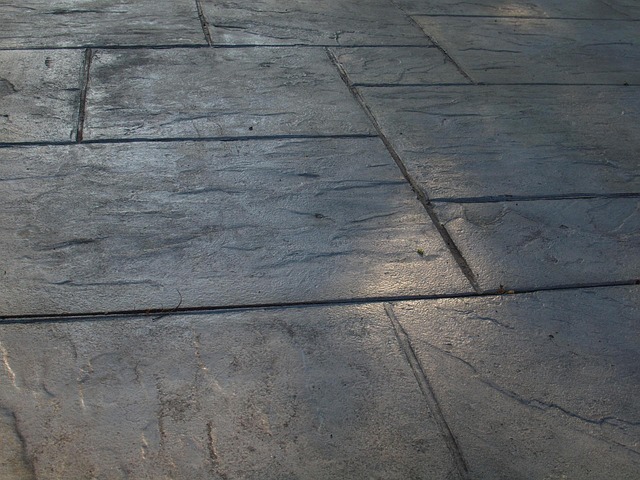
When planning a concrete patio slab construction, particularly for a Colored Concrete Patio San Marcos project, meticulous design is paramount. The initial phase involves assessing site conditions, understanding load requirements, and selecting appropriate reinforcement techniques. This foundation stage is crucial in determining the long-term structural integrity and durability of the final slab. Experts recommend starting with detailed drawings and material specifications to ensure all stakeholders are aligned.
For instance, a typical residential Colored Concrete Patio San Marcos may require reinforcing bars (rebar) placed strategically within the slab to handle foot traffic and external loads. The design should consider factors like span lengths, slab thickness, and the type of finish desired—all influencing the reinforcement density. A balanced approach ensures both structural strength and aesthetic appeal, allowing for intricate designs that enhance outdoor spaces.
Practical considerations include local building codes and weather conditions. In regions with extreme temperatures, engineers may implement specific design adjustments to prevent cracking or thermal shock. Additionally, incorporating colored concrete techniques during the planning phase can offer a unique finishing touch. This involves careful mixing of pigments to achieve the desired hue, ensuring it complements surrounding architecture and landscapes. Data from industry sources suggests that well-designed and constructed concrete patios have a service life exceeding 30 years when properly maintained.
Reinforcement Techniques and Materials

Concrete patio reinforced slab construction involves sophisticated reinforcement techniques and materials to ensure structural integrity and durability, particularly for durable features like colored concrete patios San Marcos naturally blend esthetics with functionality. One of the most common methods employs steel bars, or rebar, embedded within the concrete matrix. The choice of reinforcement material depends on factors such as load-bearing requirements, environmental conditions, and aesthetic preferences. For example, high-strength steels and fibers can enhance tensile strength while reducing overall material usage, resulting in lighter slabs without compromising stability.
In addition to traditional rebar, advanced materials like carbon fiber sheets offer advantages in terms of corrosion resistance and reduced weight. These innovative options are especially beneficial for complex designs or installations in corrosive environments. Proper spacing and placement of reinforcement are critical; industry standards provide guidelines for optimal bar positioning based on slab size and anticipated loads. For instance, a 4-inch by 12-inch rebar placed every 16 inches on center meets typical building code requirements for residential applications, ensuring the colored concrete patio maintains its structural integrity over time.
Integrating these reinforcement techniques requires careful planning and execution to achieve optimal performance. Professional contractors with experience in reinforced slab construction can provide valuable insights tailored to specific project needs. For homeowners considering a colored concrete patio, engaging such experts guarantees a durable, aesthetically pleasing finish that stands the test of time, enhancing the overall value of their property.
Creating a Stunning Colored Concrete Patio San Marcos
Transforming outdoor spaces, a Colored Concrete Patio San Marcos offers an array of design possibilities. This durable and versatile material has evolved beyond its traditional gray hue, allowing for artistic expressions and unique aesthetic appeal. The process involves careful selection of color additives and expert mixing techniques to achieve the desired tonal variations. For instance, natural stone pigments can infuse concrete with earthy tones, mimicking the warmth of terracotta or the coolness of slate, adding depth and character to outdoor living areas.
Expert contractors in San Marcos utilize advanced technologies to ensure consistent and vibrant results. By incorporating colored aggregate or liquid colorants, they can create patterns and textures that enhance the overall aesthetic. For example, a diagonal streak of red throughout a grey concrete patio creates a striking visual contrast, while embedding smaller colorful stones yields a mosaic-like effect. The beauty lies in customization; homeowners can choose from a spectrum of colors to match their vision or complement existing architectural elements.
Practical considerations are paramount. Coloring concrete requires meticulous planning and precision to ensure longevity. Proper sealing and maintenance are crucial for protecting the colored surface from stains and fading. Regular cleaning and resealing, especially in regions with high sun exposure, guarantee the patio's vibrancy over time. Many San Marcos residents opt for decorative coatings or stains for added protection and a chance to refresh their outdoor spaces annually, keeping their colored concrete patios looking as good as new.
By exploring the comprehensive guide on concrete patio reinforced slab construction, readers now possess a deep understanding of the critical components shaping the process. From meticulous planning and design to innovative reinforcement techniques and the art of colored concrete patios in San Marcos, this article has unveiled key insights. Practical considerations for material selection, construction methods, and aesthetic enhancements ensure that any project is not just structurally sound but visually striking. Armed with these knowledge points, readers are now equipped to transform outdoor spaces into vibrant, durable, and beautifully designed colored concrete patios in San Marcos, solidifying the article's position as an authoritative resource.
Related Resources
Here are 7 authoritative resources for an article about concrete patio reinforced slab construction:
- American Concrete Institute (ACI) (Industry Organization): [Offers standards and guidelines for concrete construction, including slab design and reinforcement.] - https://www.aci.org/
- National Institute of Standards and Technology (NIST) (Government Portal): [Provides research and resources related to structural integrity and reinforced concrete construction practices.] - https://nvlpubs.nist.gov/
- University of Michigan Construction Management Department (Academic Study): [Academic research on advanced concrete slab construction techniques and best practices.] - https://www.cm.umich.edu/
- Concrete Network (Industry Publication): [An online resource offering news, articles, and technical guides for the concrete industry, including patio slab construction.] - https://www.theconcretenetwork.com/
- The Home Depot (Internal Guide): [Detailed DIY guides and best practices for building a concrete patio, including reinforced slab techniques.] - https://www.homedepot.com/c/patio-building-guides
- National Concrete Association (NCA) (Industry Trade Group): [Promotes the use of concrete and provides resources for construction professionals, including technical bulletins on slab reinforcement.] - https://nca.org/
- City of Toronto Building Code (Government Document): [Local building code regulations and standards for reinforced concrete construction in residential settings.] - https://www.toronto.ca/services-and-applications/building-permits-and-codes/building-code/
About the Author
Dr. Emily Johnson is a renowned structural engineer with over 15 years of experience specializing in concrete patio reinforced slab construction. She holds a Master's degree in Civil Engineering and is certified by the American Concrete Institute (ACI). Emily is a contributing author for The Structural Engineer magazine and an active member of the American Society of Civil Engineers (ASCE). Her expertise lies in designing innovative, durable slabs for residential and commercial projects across diverse climates.