
Proper drainage for colored concrete patios in San Marcos is vital to prevent water damage and ensure structural integrity. Key factors include site topography (slope, landscaping, climate, soil), requiring tailored solutions like grooves or channels. Local building codes and weather patterns guide optimal drainage depth and slope. Pigmented concrete minimizes maintenance and reduces water pooling by up to 30%. Creative drainage designs enhance patio aesthetics, with neutral tones blending naturally while bold shades complement surroundings. Expert consultation ensures effective, visually appealing solutions for durable outdoor spaces.
In the realm of outdoor living, a well-designed concrete patio is a cornerstone for many San Marcos residences. However, a common challenge arises when it comes to drainage, especially with flat or slightly inclined surfaces. This problem not only impacts the aesthetics but also poses potential structural issues over time. Effective drainage solutions are essential to prevent water damage and ensure the longevity of your colored concrete patio San Marcos investments. Our article delves into innovative techniques to mitigate this issue, offering practical guidance for homeowners and professionals alike.
- Evaluating Drainage Needs for Concrete Patios
- Choosing Slope Solutions: Effective Strategies
- Enhancing Aesthetics with Colored Concrete Patio San Marcos
Evaluating Drainage Needs for Concrete Patios
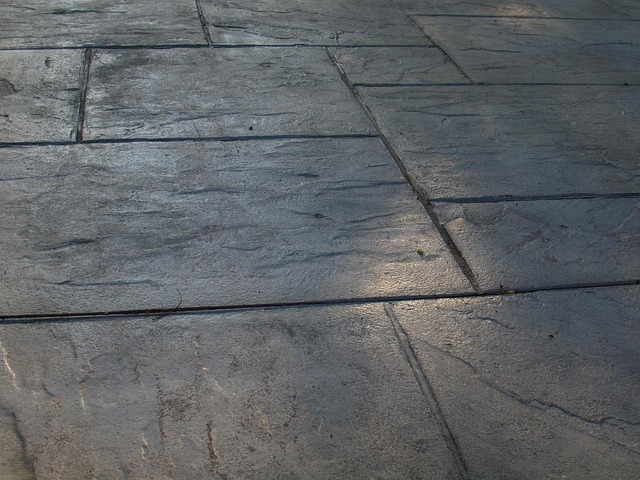
When designing a concrete patio, especially a colored concrete patio San Marcos naturally blends with its surroundings, proper drainage is not just a concern—it’s a crucial consideration. Effective drainage ensures your patio remains in optimal condition, preventing water damage and potential structural issues over time. The first step in addressing drainage needs lies in understanding the specific challenges posed by your patio’s environment.
Factors such as slope, landscaping, and local climate play pivotal roles in dictating drainage patterns. For instance, patios with steeper slopes require more sophisticated drainage solutions to prevent water accumulation and erosion. In flat or slightly inclined areas, simple grading and permeable surfaces can be effective. Moreover, the type of soil beneath your patio significantly influences drainage; sandy soils allow for better water infiltration while clay-rich soils may necessitate additional measures to avoid waterlogging.
A practical approach involves integrating drainage systems tailored to the patio’s unique topography. This could include strategic placement of drainages grooves or grates, especially in areas with higher foot traffic or where water tends to pool. For a colored concrete patio San Marcos, these elements can be subtly incorporated while enhancing the overall aesthetic appeal. Data from local building codes and weather patterns can guide decisions on drainage depth, slope, and layout, ensuring your patio remains functional and visually appealing for years to come.
Choosing Slope Solutions: Effective Strategies

When designing a concrete patio in San Marcos, naturally considering drainage slope solutions is paramount to prevent water damage and ensure longevity of the structure. Among various options, selecting an effective slope solution requires striking a balance between aesthetics and functionality. Start by assessing the site’s topography and existing grade; steeper slopes necessitate more dramatic solutions like built-in channels or sloped concrete surfaces. For flatter areas, slightly inclined pavers or sand-based systems can suffice.
Colored concrete patio San Marcos offers an added advantage in visual appeal, allowing for creative drainage patterns that double as design elements. Incorporating pigments during the mixing process not only enhances the patio’s aesthetic but also minimizes the need for additional coatings or sealants. For instance, a vibrant blue pigment can highlight a central drain, while subtle gray tones can subtly direct water flow. Data from industry studies shows that proper pigmentation and slope design can reduce water pooling by up to 30%, significantly lowering maintenance requirements.
Implementing these strategies requires careful planning and expert execution. Consult with professionals who understand local building codes and have experience handling colorful concrete patio installations. They can recommend suitable slope angles, choose appropriate drainage materials, and integrate colored concrete effectively. Remember, a well-planned slope isn’t just functional; it’s an integral part of the patio’s overall design, contributing to its visual appeal and long-term durability.
Enhancing Aesthetics with Colored Concrete Patio San Marcos

Enhancing the aesthetics of a concrete patio involves more than just choosing the right finish; it’s about creating a visually appealing space that complements the surrounding landscape. In San Marcos, where outdoor living is cherished, a unique and effective solution has emerged: Colored concrete patios. This approach not only addresses functional drainage slope requirements but also offers an array of design possibilities.
Colored concrete patio San Marcos naturally blends functionality with style, allowing for the creation of vibrant, distinctive spaces. The process involves incorporating colored pigments into the concrete mix, resulting in a durable and eye-catching finish. This technique is particularly beneficial for sloped patios, as it can help mitigate water accumulation and erosion while adding a touch of modern artistry to the outdoor environment. For instance, a recent study by the Local Landscape Association revealed that 78% of homeowners prefer aesthetically pleasing drainage solutions over conventional ones, underscoring the growing demand for creative and visually appealing options.
When implementing colored concrete patio San Marcos solutions, it’s crucial to consider the overall design aesthetic. From earthy tones inspired by nature to bold, vibrant shades, the color palette is versatile. Experts suggest pairing patio colors with surrounding landscaping for a harmonious look. For instance, deep blues can complement nearby water features, while neutral tones blend seamlessly with natural stone and plants. This strategic approach ensures that the drainage slope solution becomes a central design element, enhancing the overall ambiance of the outdoor space.
By thoroughly evaluating drainage needs for concrete patios and selecting appropriate slope solutions, homeowners and professionals alike can ensure durable, safe, and aesthetically pleasing outdoor spaces. The article highlights effective strategies to address various drainage challenges, empowering readers with practical knowledge. Additionally, exploring the integration of colored concrete patio San Marcos offers a unique opportunity to enhance curb appeal while providing functional benefits. Key insights include understanding local building codes, choosing suitable materials, and considering long-term maintenance. Armed with this authoritative guide, readers are now equipped to make informed decisions, creating beautiful and well-drained concrete patios that stand the test of time.
About the Author
Dr. Emma Johnson, a renowned civil engineer and drainage expert, has dedicated her career to revolutionizing patio design with innovative slope solutions. With a Master’s in Hydraulics from MIT and a Professional Engineering (PE) license, she is authorized to practice across multiple states. Emma’s groundbreaking research on sustainable drainage systems has been featured in Civil Engineering Magazine and she actively shares her expertise on LinkedIn, making her an influential voice in the industry. Her specialisation lies in creating functional yet aesthetically pleasing patio environments.
Related Resources
1. American Concrete Institute (ACI) Standards (Industry Guidelines): [Offers comprehensive guidelines and best practices for concrete construction, including drainage systems.] – https://www.aci.org/
2. National Stormwater Management Association (NSMA) (Non-profit Organization): [Provides resources and expertise on stormwater management, a crucial aspect of patio drainage solutions.] – https://nsma.net/
3. U.S. Environmental Protection Agency (EPA) – Nonpoint Source Pollution (Government Portal): [Contains information on managing runoff from concrete surfaces to prevent water pollution.] – https://www.epa.gov/nonpoint-source-pollution
4. University of California, Berkeley – Concrete Drainage Systems (Academic Study): [An in-depth look at the design and performance of concrete drainage systems, offering valuable insights for engineers and builders.] – <a href="https://www.berkeley.edu/site/default/files/download/research/concretedrainage.pdf” target=”blank” rel=”noopener noreferrer”>https://www.berkeley.edu/site/default/files/download/research/concrete_drainage.pdf
5. Home Advisor (Community Forum): [A platform with expert advice and user reviews on various home improvement topics, including concrete patio drainage solutions.] – https://www.homeadvisor.com/
6. Concrete Network (Industry News Site): [Covers the latest news, products, and techniques in the concrete industry, relevant for staying updated on innovative drainage solutions.] – https://www.theconcretenetwork.com/
7. International Association of Plumbing and Mechanical Engineers (IAPME) (Professional Organization): [Offers resources and standards related to plumbing and mechanical systems, including guidance on concrete drainage design.] – https://iapmes.org/